
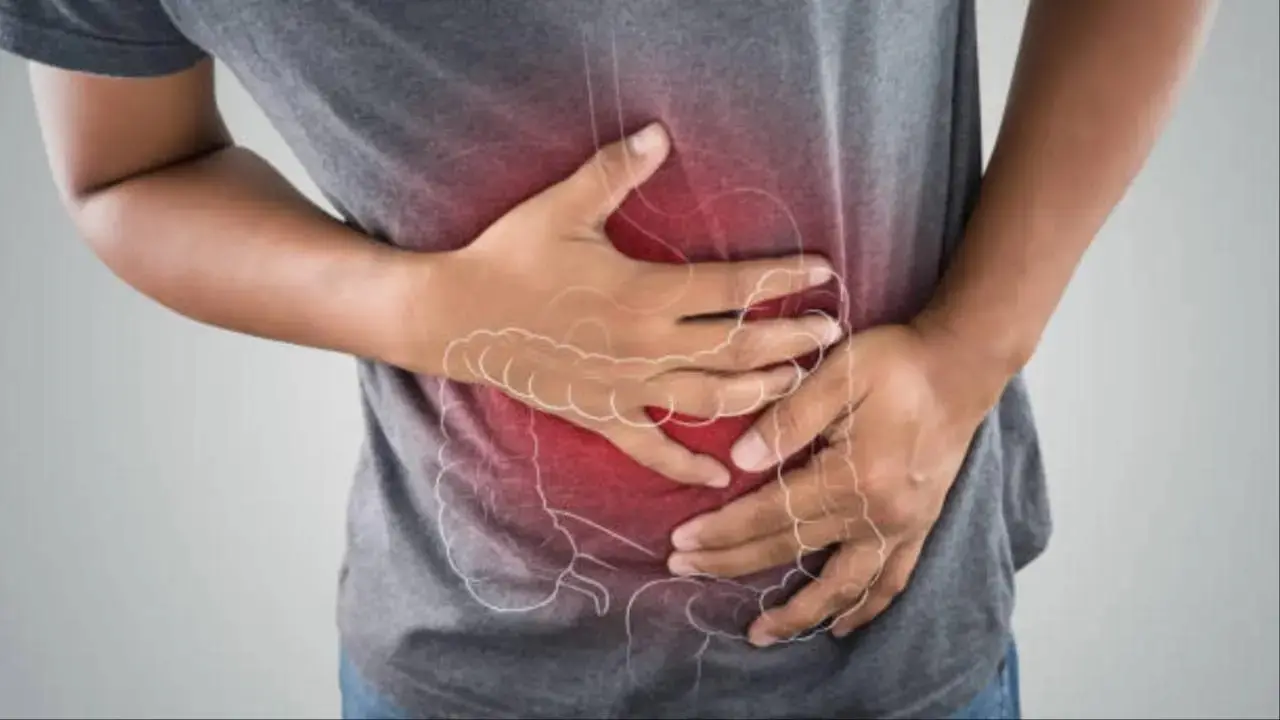
There has been a noticeable rise in the number of people being diagnosed with gallstones, with many patients seeking medical help only after developing severe abdominal pain or other complications. Unhealthy eating habits, obesity, a sedentary lifestyle, rapid weight loss, diabetes, and increasing age are among the factors contributing to the growing burden of gallstone disease. Experts advise people not to ignore recurring stomach pain, bloating, or indigestion, as early diagnosis can prevent serious health problems and avoid emergency surgery.
Gallstones are hard deposits that form inside the gallbladder, a small organ located below the liver that stores bile, a digestive fluid. While many gallstones remain silent and do not cause symptoms, they can become dangerous if they block the bile ducts or trigger inflammation. Dr Nitin Bhave, General Surgeon, Apollo Spectra Pune, shares, “One of the most common warning signs is pain in the upper right side of the abdomen, especially after eating oily or heavy meals. The pain may spread to the back or right shoulder and can last from a few minutes to several hours. Some people may also experience bloating, nausea, vomiting, indigestion, or a feeling of fullness after meals. Because these symptoms are often mistaken for acidity or simple digestive problems, many patients delay seeking medical advice.”
Increasing cases of gallstones
Nearly 50 per cent of the patients with gallstones initially ignore warning signs such as recurrent abdominal pain, bloating, and indigestion. Every month, around five out of 10 patients between the ages of 30 and 70 visit us with these symptoms, often after delaying medical attention. If gallstones are left untreated after symptoms appear, they can lead to serious complications such as inflammation of the gallbladder (cholecystitis), infection, blockage of the bile ducts, jaundice, pancreatitis, or severe abdominal infections. These conditions may require emergency treatment and can make surgery more complex. Consult a specialist if stomach pain keeps returning or is associated with fever, yellowing of the eyes or skin, persistent vomiting, or severe abdominal tenderness. An ultrasound scan is usually the first and most effective test to confirm the presence of gallstones,” explains Dr Bhave.
Dr Bhave adds, “For patients with symptomatic gallstones, laparoscopic gallbladder removal is considered the gold standard treatment. This minimally invasive procedure is performed through small cuts, resulting in less pain, minimal blood loss, shorter hospital stays, and quicker recovery compared with open surgery. Most patients can return to their normal daily activities within a short period after the procedure. Maintaining a healthy weight, eating a balanced diet rich in fruits, vegetables, and fibre, avoiding excessive fatty foods, exercising regularly, and managing diabetes can help reduce the risk of gallstones. Persistent stomach pain should never be ignored. Diabetic patients and young individuals have a higher chance of developing complications, and hence will need surgery even if they have no complaints. It is always better to operate on a gall bladder that is not inflamed, as surgery is easier, and recovery is faster. Early medical attention and timely treatment can prevent complications and ensure a faster, smoother recovery.”
What are gallstones?
Dr Shahid Parvez, Consultant General & laparoscopic surgeon, AIMS Hospital, Dombivli, further explains, “Gallstones are small stones made from cholesterol, bile pigment, and calcium salts that tend to form in the gallbladder. About 30 per cent of gallstone patients tend to ignore symptoms like recurrent abdominal pain, bloating, and indigestion, allowing the condition to worsen over time. In a month, 3 out of 10 patients aged 30-70 eventually need emergency treatment due to delayed diagnosis. Eat a balanced, low-fat diet, maintain a healthy weight, stay physically active, and seek medical advice without any delay after the symptoms tend to appear.”