

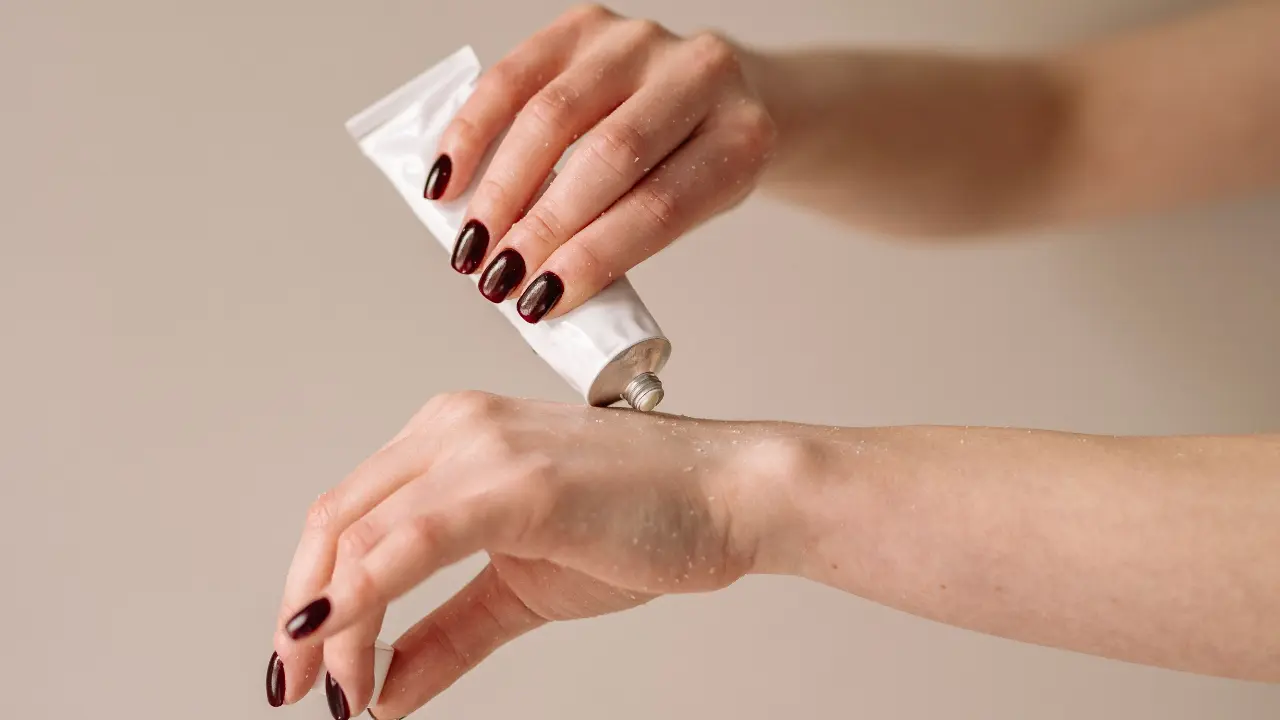
Across India, rising humidity, damp clothes, wet footwear, crowded commutes, and prolonged sweating create the perfect environment for fungi to thrive. What often begins as mild itching, a few bumps, or a patch of irritated skin can quickly become persistent discomfort if ignored, or worse, aggravated by self-treatment and viral skincare advice.
Dermatologists say monsoon-related fungal infections are among the most common skin concerns they see during monsoon season, yet they are also among the most misunderstood. People frequently confuse fungal conditions with acne, heat rash, dandruff, allergies, or friction-related irritation and often reach for strong skincare products or over-the-counter creams that end up making matters worse. The good news is that most fungal infections are manageable and, in many cases, preventable with the right habits and timely treatment.
Here is what skin experts want you to know to stay itch-free this monsoon.
Why monsoon weather becomes a breeding ground for fungal infections
According to Dr. Renuka Nalawade Rajale, MBBS, MD, cosmetic dermatologist and founder of MyDermat, monsoon conditions naturally create an environment that encourages fungal growth.
“Heavy rainfall, increased humidity, slower drying of clothes, and prolonged exposure to moisture all play a role. During daily routines and commutes, people frequently get caught in the rain and remain in wet clothing for hours. Wet socks, damp innerwear, sweaty skin folds, and shoes that never fully dry become ideal conditions for fungal organisms to multiply,” she says.
Dr Rajale explains that during travel, especially in urban settings, people often remain damp for long periods, increasing moisture retention over the body and creating what she describes as a very favourable atmosphere for fungal growth.
The problem extends beyond obvious rain exposure. Indoor humidity, sweat trapped beneath synthetic fabrics, repeated use of damp towels, and poorly ventilated footwear all contribute to persistent moisture, which fungi thrive in.
The most common fungal infections people develop during monsoon
Fungal infections are not one single condition. Different parts of the body tend to develop different patterns of infection depending on moisture, friction, and exposure.
Dr Rajale says the most commonly seen monsoon fungal infections include tinea cruris, tinea corporis, and tinea pedis. “Tinea cruris commonly affects folded areas of the body such as the groin and underarms, where heat and sweat accumulate easily. Tinea corporis appears across larger skin surfaces including the back, buttocks, torso, and limbs. Tinea pedis, more commonly known as athlete’s foot, develops on the feet, especially when footwear remains wet for long periods,” she explains.
These infections often begin subtly but become progressively itchy and irritating if left untreated.
One reason fungal infections spread so easily is because people do not always recognise them early. Instead, they may assume they are dealing with regular skin irritation and continue habits that worsen the condition.
Heat rash, acne, or fungal infection? How to tell the difference
One of the biggest mistakes dermatologists see during monsoon season is people treating fungal infections as ordinary acne or heat rash. According to Dr. Naznin Holia, aesthetic physician and founder of Amber Cosmetology, fungal breakouts have certain features that make them different from conventional acne. Her practical rule is simple: pay attention to pattern and itching, “Fungal acne is usually a group of bumps that are all about the same size.” Unlike regular acne, which tends to include a mixture of blackheads, inflamed pimples, and varying lesion sizes, fungal breakouts usually appear more uniform. Dr Holia notes that these bumps commonly occur on the forehead, chest, back, and areas that sweat heavily.
Another important clue is discomfort. “Fungal infections usually itch a lot more than acne.” That distinction becomes particularly important because many people instinctively apply anti-acne products containing exfoliating acids or drying agents. “If you start using acne treatments and the fungal acne bumps get worse instead of better, that is a bad sign,” she says.
Dr Rajale adds that fungal infections often develop a ring-like appearance and may show dry scaling around the edges. By comparison, sweat dermatitis and friction dermatitis are usually associated with burning sensations more than intense itching. Dr Holia’s advice is direct: if a rash is persistently itchy, looks unusually uniform, and does not improve, stop experimenting and seek professional evaluation before damaging the skin barrier.
The monsoon hygiene routine dermatologists actually recommend
Prevention remains the most effective strategy, and experts say it does not require expensive skincare routines.
According to Dr Holia, controlling moisture is the single most important principle. “During the monsoon season it is easy for fungi to grow because of all the moisture. So, to prevent infections you need to control the moisture.”
She advises showering promptly after sweating and ensuring the body is dried thoroughly, especially areas where moisture tends to collect: skin folds, underarms, feet, and the groin.
Clothing choices matter more than people realise.
Cotton fabrics allow better airflow and reduce sweat retention, while synthetic materials can trap heat and moisture. Dr Holia recommends avoiding prolonged use of wet clothes and allowing shoes to dry fully before reuse. For people who repeatedly experience fungal flare-ups, she notes that antifungal washes used periodically may help.
Dr Rajale expands prevention beyond skincare. She recommends regular bathing, sometimes even twice daily for people who sweat heavily or frequently get wet, and emphasises keeping towels, soaps, and clothing separate, particularly in households where one person already has an infection.
Damp clothes should not be worn simply because they appear mostly dry. If needed, use a dryer or iron to eliminate retained moisture before wearing.
Additional habits that may help include changing socks regularly, washing footwear, trimming nails, and maintaining dry folded areas. Some people may also benefit from antifungal powders or body washes when recommended appropriately.
The skincare mistakes making fungal infections worse
When itching starts, many people turn to social media remedies or over-the-counter creams before understanding what they are treating. Experts say this is one of the fastest ways to worsen fungal infections.
Dr Holia frequently sees patients applying toothpaste, undiluted oils, lemon juice, baking soda, harsh exfoliating acids, and DIY treatments designed to dry out bumps. “These things can irritate the skin, damage the skin barrier and make the inflammation much worse.”
Another common mistake is applying heavy oils or thick occlusive products that trap sweat and increase humidity on the skin.
Perhaps the biggest concern among dermatologists is unsupervised use of steroid-containing creams. Dr Holia warns that steroid creams may temporarily reduce redness and create the illusion of improvement while allowing fungal infections to continue spreading underneath.
Dr Rajale echoes this concern and notes that many over-the-counter products marketed for skin irritation contain steroids or irritating ingredients. According to her, steroids may suppress visible symptoms briefly but ultimately worsen fungal infections and delay recovery. She cautions that self-treatment often increases the overall time required for complete clearance.
The message from both experts is consistent: if a rash is not improving, or is becoming more itchy, red, or widespread, stop experimenting.
Here are seven symptoms that should never be ignored:
While many fungal infections begin as minor irritation, some symptoms deserve immediate medical attention. Dr Holia outlines the symptoms that must not be ignored during the monsoon:
1. It is advisable to see a dermatologist if a rash spreads rapidly, becomes painful, develops pus, or fails to improve despite basic care.
2. Persistent itching that interferes with sleep is another sign that professional evaluation may be needed.
3. Repeated infections in the same area should not be ignored either, as recurrent fungal infections may indicate an underlying trigger.
4. Changes in pigmentation or worsening discoloration also deserve attention.
5. There is a need to be especially cautious when fungal infections affect the scalp, nails, or involve large areas of the body because these often require more specialised treatment.
6. Scalp symptoms deserve particular attention because persistent dandruff, oily scaling, itching, redness, or hair loss can sometimes resemble other conditions such as psoriasis. Because these conditions can appear similar, early diagnosis becomes essential.
7. People living with diabetes, weakened immune systems, or chronic skin conditions should seek medical care early rather than waiting for symptoms to become severe.
Who is most vulnerable during monsoon?
Although anyone can develop fungal infections, certain groups face higher risk.
1. Athletes are especially vulnerable because prolonged sweating and extended time in sports clothing increase moisture exposure. Rajale explains that when sports activities continue during monsoon weather, damp clothing remains wet longer and raises infection risk significantly.
2. Office-goers represent another overlooked group. Long commutes in wet weather often mean spending entire workdays in partially damp clothing or shoes, creating prolonged exposure to moisture.
3. Children are another high-risk category. Wet school shoes worn for hours may increase the risk of fungal infections affecting the feet.
4. People living with diabetes deserve special attention because compromised immune responses may make infections more frequent, extensive, and difficult to control.
Recognising these risk factors early can help people adjust daily routines before infections develop.
Dry skin is healthy skin during monsoon
Monsoon fungal infections may be common, but they are not inevitable. The season creates ideal conditions for fungal growth, but small daily habits can significantly reduce risk: changing wet clothes promptly, drying skin thoroughly, choosing breathable fabrics, avoiding unnecessary products, and resisting the urge to self-medicate.
Most importantly, persistent itching should not be dismissed as a minor inconvenience. The earlier fungal infections are identified, the easier they are to treat. As experts emphasise, healthy monsoon skin is not about doing more. It is often about keeping routines simple, staying dry, and knowing when to seek professional advice.