
Overheated immigration system needed ‘discipline’ infusion: minister
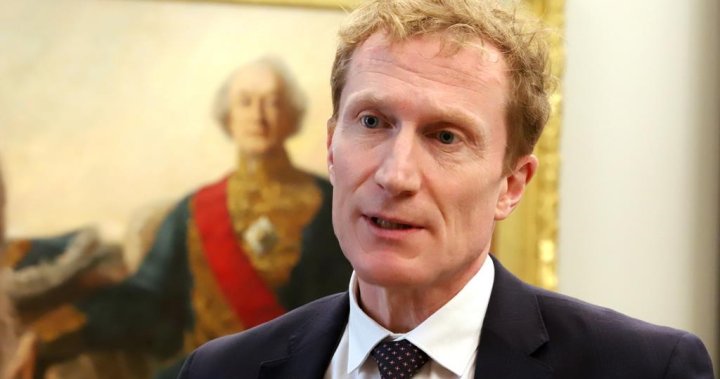
An “overheated” immigration system that admitted record numbers of newcomers to the country has harmed Canada’s decades-old consensus on the benefits of immigration, Immigration Minister Marc Miller said, as he reflected on the changes in his department in a year-end interview.
The system, he said, needed some discipline to get the country back on track.Over the course of 2024, Miller moved to cap the number of student visas, reduced the number of permanent residents it plans to admit, made it harder to get a working visa and paused most private refugee sponsorship applications.All of that came as record immigration levels pushed population growth up over three per cent in 2023, twice what it has averaged over the previous decade.“There’s no shying away from the fact that there’s some stuf...