
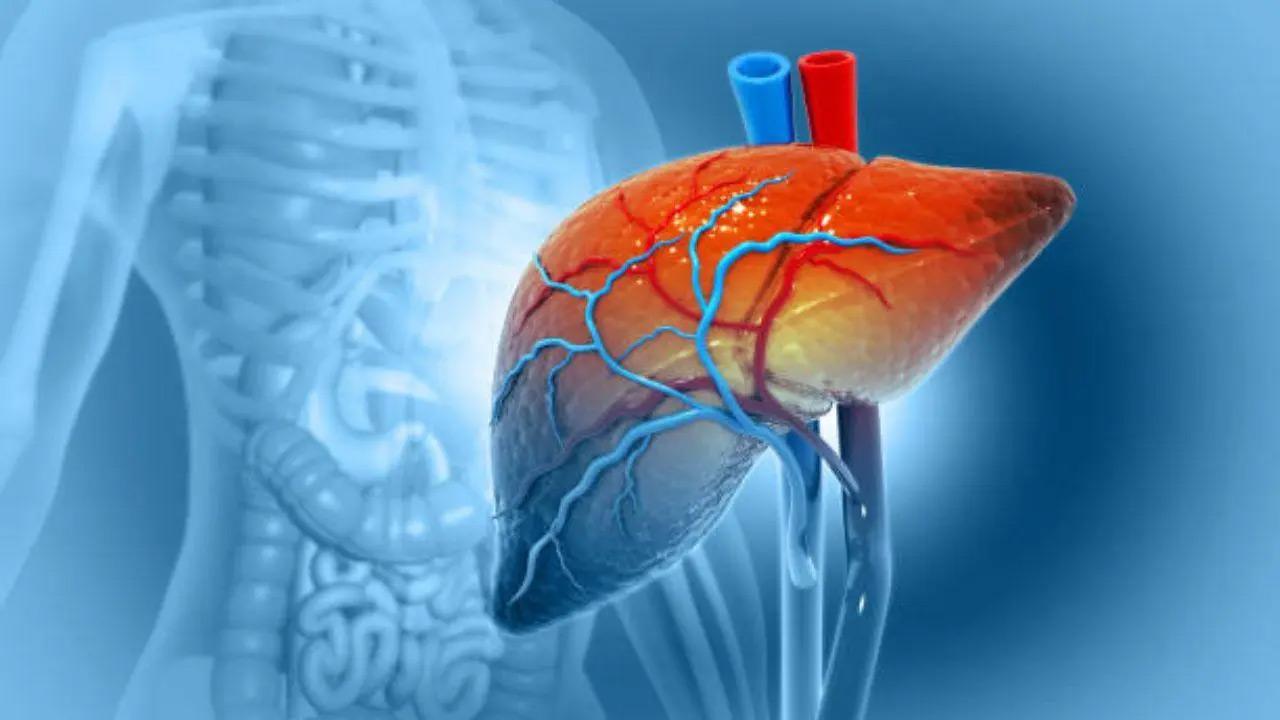
The concept of ‘Dry January’ has evolved from a simple New Year’s resolution into a global phenomenon. For many, it is a metabolic reset button after the indulgence of the holiday season.
But what occurs beneath the surface? To separate clinical fact from detox fiction, we turn to the specialised insights of hepatologists who delve into the multi-pronged impact of 30-day abstinence, including the timeline of cellular repair, metabolic shifts, and structural limitations
The biological timeline: When does recovery begin?
While many people wait for the 30-day mark to celebrate their success, Dr. Tushar Madake, consultant in the department of transplant hepatology at Ruby Hall Clinic in Pune, notes that the biological pivot happens almost instantly. The liver, being the only self-regenerating organ, begins a transition the moment the last drop of alcohol is metabolised.
Dr Madake delves into the timeline:
The 48 to 72-hour window: The metabolic shift
Within just two to three days of complete abstinence, a profound shift occurs at the cellular level. The liver stops prioritising the breakdown of toxic ethanol and transitions back to its primary metabolic duty: the breakdown of stored fats. This is the moment the healing phase officially takes over from the defence phase.
The 7 to 14-day marker: The enzyme drop
Between the first and second week, clinical markers begin to shift. Patients often see a sharp reduction in liver enzymes such as ALT (Alanine Aminotransferase) and AST (Aspartate Aminotransferase). During this window, levels of triglycerides—the fats circulating in your blood—also begin to plummet, reducing the immediate greasiness of the liver tissue.
The 21 to 30-day benchmark: Visible clearing
By the end of the month, the clearing process becomes observable via medical imaging. While the cellular work started on day one, it takes about three to four weeks for the reduction in inflammation and fat to reach a level that is clinically significant.
The myth of the complete reset
Dr. Chetan Kalal, consultant hepatologist and transplant physician at Saifee Hospital in Mumbai, offers a vital reality check: 30 days is a brilliant start, but it is not a permanent cure. “Fatty liver does not develop overnight, and it does not disappear permanently in a month. The liver possesses a form of cellular memory. For individuals dealing with obesity, diabetes, or insulin resistance, the vulnerability remains. If a person resumes heavy drinking on February 1st, the liver often re-accumulates fat faster than it did originally,” he explains.
Dr Kalal also warns against the stop-start pattern, noting that while short breaks are beneficial, they do not offer long-term protection if the underlying lifestyle remains unchanged.
Reversibility versus permanent damage: The zone system
The success of a 30-day reset depends largely on the starting condition of the liver. Dr Madake categorises the stages of damage to manage expectations:
1. Stages 1 and 2 (Steatosis and Hepatitis): Simple fatty liver and early inflammation are highly resilient. In nearly 100 per cent of cases, these stages can be completely reversed through prolonged abstinence.
2. Stage 3 (Fibrosis): Known as the yellow zone, this stage involves significant scarring. While the scars themselves may not vanish in 30 days, the inflammation surrounding them settles, effectively freezing the disease and preventing it from advancing to total failure.
3. Stage 4 (Cirrhosis): This represents permanent structural damage. However, even here, a 30-day break is life-saving. It reduces acute on chronic inflammation and lowers pressure within the portal system, helping the remaining healthy tissue function more efficiently.
Binge drinkers versus daily drinkers: Who benefits more?
“The liver processes different drinking patterns through distinct pathways, meaning the recovery feels different for everyone,” says Dr Madake. Below, he explains how the liver of binge drinkers and regular drinkers may differ in benefiting from a month of abstinence.
1. The steady drinker (1–2 drinks daily): These individuals often live in a state of metabolic sluggishness. Because the liver is always processing alcohol, it is never in repair mode. These drinkers often see the most dramatic improvements in insulin sensitivity and enzyme function during ‘Dry January’.
2. The binge drinker: Binge drinking causes oxidative bursts—sudden shocks to the cells that can cause DNA damage. Even if a binge drinker has several dry days a week, the intensity of the shock means their cells may actually take longer to recover than those of a moderate daily drinker.
Beyond the liver: The domino effect
The benefits of a month-long hiatus extend far beyond a single organ. Dr Madake describes a domino effect that touches almost every system in the body:
1. Insulin sensitivity: Alcohol disrupts blood sugar regulation. A 30-day break can significantly lower blood sugar levels, reducing the long-term risk of Type 2 Diabetes.
2. Cardiovascular health: Alcohol acts as a vasoconstrictor. Within 2 to 4 weeks, many people notice a measurable drop in both systolic and diastolic blood pressure.
3. Systemic inflammation: Markers like C-Reactive Protein (CRP) decline. This manifests physically as less facial puffiness (alcohol bloat), reduced joint pain, and clearer skin.
4. Sleep and cognition: Alcohol notoriously destroys REM sleep. Abstinence allows the brain to return to normal sleep cycles, improving its ability to eliminate metabolic waste—essentially a detox for the mind.
Supporting the reset: The anti-detox diet
Dr Kalal is quick to dispel the myth of liver detox foods. “The liver detoxifies on its own,” he asserts. The goal of a 30-day reset should not be to add superfoods, but to reduce the metabolic burden.
To maximise the benefits of Dry January, he recommends:
1. Prioritising protein: Essential for preserving muscle mass and improving insulin sensitivity.
2. Cutting refined carbs and sugar: This is more critical than cutting dietary fats. Sugar and sweetened beverages are primary drivers of liver fat.
3. Embracing healthy fats: Focus on nuts, seeds, and fish to support metabolic balance.
4. Black coffee: Surprisingly, regular black coffee has strong clinical evidence for protecting the liver against scarring and disease over time.
How do you know it has worked?
Because fatty liver is a silent disease, feeling better isn`t always proof of a total recovery. Dr Kalal points out that standard blood tests can be misleadingly normal even when scarring is present.
For a true assessment, he recommends non-invasive tools like a FibroScan (which measures liver stiffness and fat), simple fibrosis scores derived from routine blood work, or advanced MRI-based fat measurements. These tools provide a window into the liver that a simple physical exam cannot.
The final verdict
A 30-day break from alcohol is a powerful physiological restart. It offers the liver a much-needed window to pivot from detoxification to repair. However, for the reset to have a lasting impact, it must be viewed as a gateway to more consistent habits rather than a temporary hall pass. As both experts agree: the liver is forgiving, but it values consistency over novelty.