
London hotel Christmas trees 2023
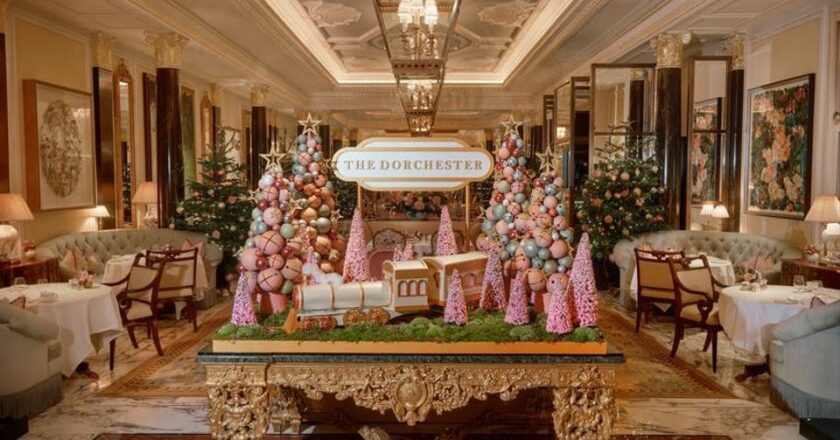
The festive tunes are being blasted in shops, the wreaths are starting to hang from doors and the Black Friday sales have signalled that it's time to start checking off that gift list. Which can only mean one thing: Christmas is coming. So why not throw yourself headlong into the cheer and visit some of London's most impressive trees courtesy of the chicest hotels in town?As is tradition, the city's landmark stays have pulled out all the stops with stylish tree collaborations with art and fashion folk, custom scents — or in the case of Annabel's and Claridge's — a totally alternative approach, with trees that don't even resemble a tree. Here are the chicest spruces and other light-wrapped spectacles on display for 2024.The Goring Belgravia-based The Goring looked to A Christmas Carol to in...