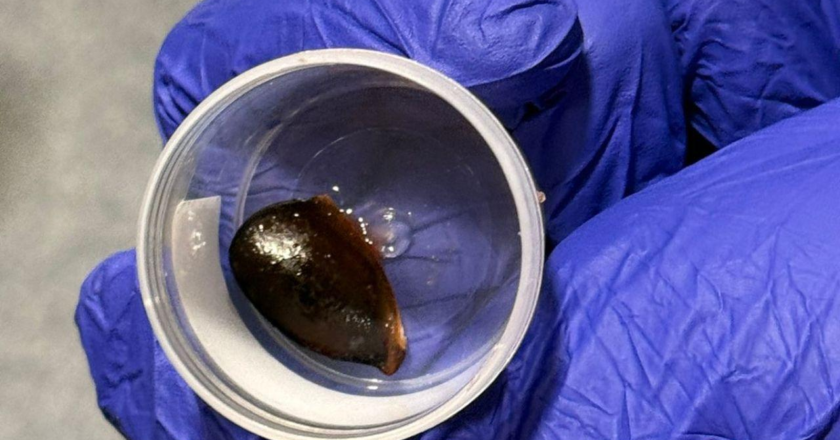
US FDA approves landmark pancreatic cancer drug that's shown to improve survival
The Food and Drug Administration on Wednesday approved a groundbreaking new drug for the most common form of pancreatic cancer, offering US patients a more effective treatment against one of the deadliest types of cancer.
FDA officials gave expedited approval to the first-of-a-kind pill, called daraxonrasib, that blocks a mutated protein that fuels tumour growth in more than 90 per cent of pancreatic cancer cases. It's an approach that previously eluded drugmakers for decades.
The daily pills will be sold by Revolution Medicines under the brand name Rasonque.
Patients taking the drug nearly doubled their survival time, with fewer severe side effects, in a study that randomly assigned them to receive the experimental treatment or more chemotherapy. The company-funded study enrolled 500 p...