
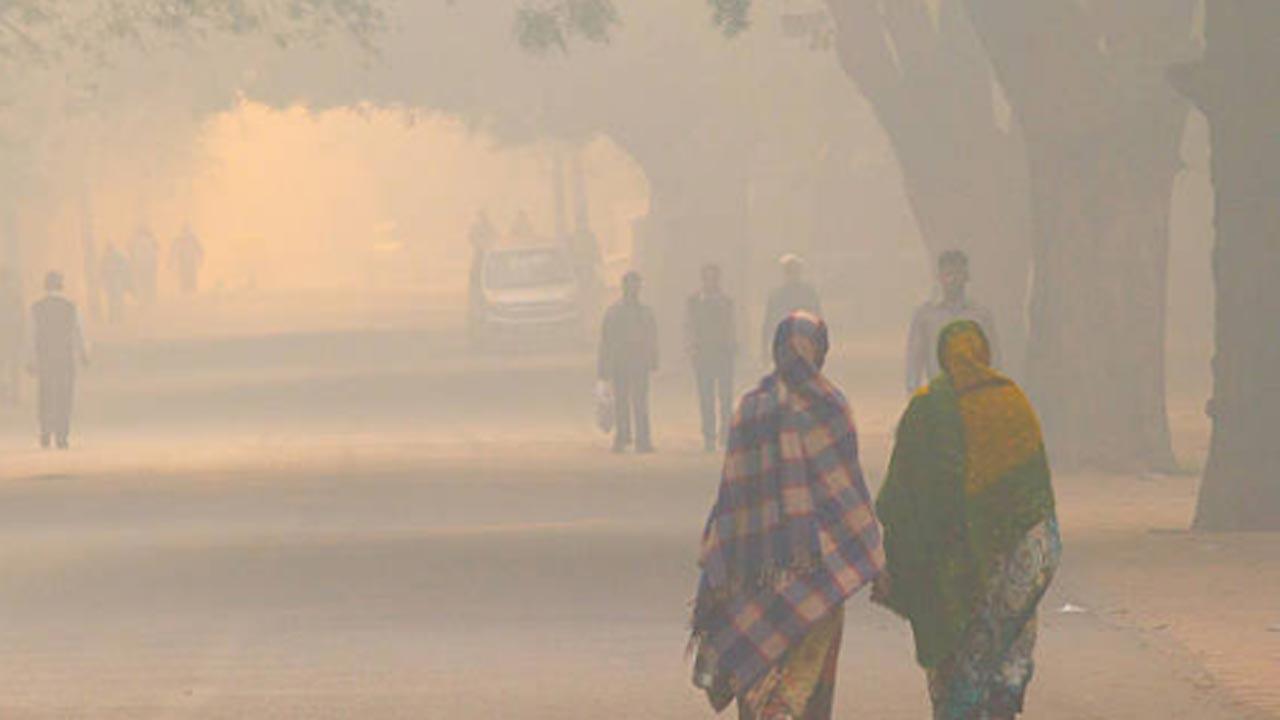
Almost a week after Diwali, Delhi still continues to battle with air pollution because it is still in the ‘very poor’ category as of November 9 with an AQI of 360. Mumbai, on the other hand, is now in the ‘moderate’ range, after recording ‘poor’ just after the festival. While air pollution is known to harm the respiratory report, it does a lot more to the body, and particularly the digestive system, which you may not even be aware of shunning it for a regular bout of stomach issues.
A recent report by IANS highlighted how Delhi doctors had noted there were rising cases of digestive issues like Irritable Bowel Syndrome (IBS) and Irritable Bowel Disorder (IBD). While Mumbai doctors say there have been cases in the last few years, there is a possibility of them increasing in the future with the current pollution levels. The AQI classifications are as follows: 0-50 is `good,` 51-100 is `satisfactory,` 101-200 is `moderate,` 201-300 is `poor,` 301-400 is `very poor,` and 401-500 is `severe’.
With air pollution rampant across Delhi, and Mumbai, especially after Diwali, the winter season is also here highlighting the urgency. With an aim to raise awareness about the role of air pollution in digestive issues, mid-day.com spoke to Dr Khurshed Vazifdar, consultant gastroenterologist, Holy Family Hospital in Bandra, and Dr Harshad Joshi, principal consultant, Gastroenterology, Nanavati Max Super Speciality Hospital in Vile Parle to understand more. They not only highlight the causes but also the effects, and preventive measures that people can take to ensure they are healthy.
How does air pollution affect the body beyond respiratory diseases?
Vazifdar: Air pollution affects the body beyond respiratory diseases by contributing to cardiovascular issues, neurological disorders, and gastrointestinal problems. Pollutants can disrupt gut microbiota and increase inflammation, leading to various health complications.
Joshi: Air pollution is not limited to harming the respiratory system. It has widespread impacts on multiple organs due to its ability to induce oxidative stress and inflammation. Pollutants like particulate matter (PM) can penetrate deeply into the body, affecting the circulatory, nervous, and gastrointestinal systems. Research shows links between air pollution and conditions like cardiovascular diseases, neurological disorders, and gastrointestinal conditions such as Irritable Bowel Syndrome (IBS) and Inflammatory Bowel Disease (IBD).
Why does air pollution affect the body in different ways beyond respiratory diseases?
Vazifdar: There are different effects of air pollution on one’s body that arise from individual susceptibility, exposure duration, and the specific pollutants involved. For instance, particulate matter can penetrate the gut barrier, affecting immune responses and gut health differently in various people.
Joshi: Airborne pollutants, particularly fine particulate matter (PM2.5), can enter the bloodstream via the lungs, causing systemic effects. Once in circulation, these particles trigger inflammation and oxidative stress, which disrupts normal cellular function across various organs, including the gastrointestinal tract and brain. Variations in individual genetics, immune response, and microbiome also contribute to how air pollution affects each person differently.
A recent report highlight how Delhi air pollution has led to increasing cases of Irritable Bowel Syndrome (IBS) and Inflammatory Bowel Disease (IBD). What causes air pollution to affect the digestive system?
Vazifdar: Air pollution impacts the digestive system by causing inflammation and altering gut microbiota composition. Pollutants like PM2.5 can trigger stress responses in digestive cells, leading to conditions like IBS and IBD.
Joshi: Pollutants ingested through food or inhaled can disturb the gut microbiome and weaken the intestinal lining, which can lead to systemic inflammation and oxidative damage in the gastrointestinal tract. Air pollution has been shown to alter gut microbial composition, increase gut permeability, and exacerbate inflammatory pathways, creating conditions favourable for IBS and IBD.
What are the effects of air pollution on the digestive system on the whole?
Vazifdar: The effects of air pollution on the digestive system include increased permeability of the gut lining, inflammation, and a higher risk of disorders such as IBS, IBD, and gastroesophageal reflux disease (GERD) due to disrupted gut microbiota.
Joshi: Air pollution can lead to inflammation and changes in gut microbiota, impairing gut function. Studies suggest that pollutants may aggravate digestive conditions, leading to increased susceptibility to diseases like IBS, IBD, and even appendicitis. Additionally, the oxidative stress caused by pollutants can disrupt the intestinal barrier, making the gut more susceptible to infections and inflammatory disorders.
What are the symptoms of air pollution affecting the digestive system? How is different from other sicknesses related to air pollution beyond respiratory disease?
Vazifdar: Symptoms of air pollution`s impact on digestion include abdominal pain, bloating, diarrhoea, and constipation. These symptoms can overlap with other conditions but are often exacerbated by environmental stressors like pollution.
Joshi: In severe cases, it can also lead to flare-ups of conditions like IBS and IBD. Unlike respiratory symptoms, these gastrointestinal symptoms stem from disruptions in gut microbiota and immune responses rather than direct exposure effects, making the manifestations more internally complex and less immediate.
Some people already suffer from Irritable Bowel Syndrome (IBS) and Inflammatory Bowel Disease (IBD). Does air pollution worsen it for them?
Vazifdar: For individuals with IBS or IBD, air pollution can worsen symptoms by increasing gut inflammation and disrupting microbiota balance, potentially leading to flare-ups or more severe manifestations of their conditions.
Joshi: This heightened response is due to the systemic inflammatory response and oxidative damage caused by air pollutants.
With Delhi`s air quality worsening, is there a possibility of people suffering from these diseases in Mumbai? Have you encountered cases yet or in the past years?
Vazifdar: Mumbai may see rising cases of IBS and IBD due to worsening air quality similar to Delhi. There have been reports of such cases in recent years, indicating a growing concern for digestive health linked to pollution.
Joshi: While Delhi faces more severe air quality issues, Mumbai’s air pollution levels are also concerning. It is plausible for individuals in Mumbai to develop or experience worsening of IBS and IBD due to pollution. While cases may not be as frequently reported as in Delhi, urban pollution in Mumbai could contribute to a rise in gastrointestinal disorders.
Does one particular gender get affected more by air pollution than the other, especially beyond respiratory diseases? Which is the most vulnerable population?
Vazifdar: Gender differences in vulnerability to air pollution exist. Studies suggest women may be more affected due to hormonal factors influencing immune responses. The vulnerable populations include children and those with pre-existing health conditions.
Joshi: Although evidence is limited, some studies suggest that women, particularly young adults, are more susceptible to non-respiratory impacts of air pollution, including gastrointestinal symptoms. Children and the elderly, with their developing or weakened immune systems, are also vulnerable to the systemic effects of pollution.
What is the treatment for issues related to the digestive system due to respiratory diseases?
Vazifdar: The treatment for digestive issues related to pollution typically involves managing symptoms through dietary changes, medications for inflammation, and lifestyle modifications aimed at reducing exposure to pollutants.
Joshi: The treatment often involves managing inflammation and symptoms with dietary adjustments, probiotics, and anti-inflammatory medications. Those with IBS or IBD may benefit from tailored therapeutic regimens, including prebiotics, probiotics, and in some cases, biologics to mitigate inflammation.
Can people eat different kinds of foods to prevent IBS and IBD?
Vazifdar: Dietary changes can help prevent IBS and IBD, emphasising whole foods rich in fibre, antioxidants, and anti-inflammatory properties while avoiding processed foods that may exacerbate symptoms.
Joshi: While food cannot entirely prevent IBS or IBD, a balanced diet high in fibre, antioxidants, and probiotics can support gut health and potentially lower the risk of inflammation due to pollutants. Foods rich in polyphenols (for example: berries and nuts) and omega-3 fatty acids can also aid in reducing oxidative stress in the gut.
What level of AQI is harmful for the body and the digestive system? How can people deal with it the air pollution?
Vazifdar: An AQI above 150 is harmful, particularly for sensitive groups; individuals should limit outdoor activities during high pollution days and consider using air purifiers indoors.
Joshi: Beyond an AQI above 150, exposure to PM2.5 or higher levels can be detrimental to the gastrointestinal system. Avoiding outdoor activities during high AQI days, using air purifiers, and consuming antioxidant-rich foods to combat oxidative stress are practical steps.
What are some easy tips that people can follow to avoid getting sick due to air pollution?
Vazifdar: The tips to avoid illness from air pollution include staying indoors on high AQI days, using air purifiers, wearing masks outdoors, maintaining a healthy diet, and staying hydrated to support overall health.
Joshi: The tips to beat air pollution including staying indoors on high pollution days, using masks with particulate filters when outside, keeping windows closed, using air purifiers, and maintaining a diet high in antioxidants can help. Keeping the body hydrated and managing stress are additional ways to mitigate the systemic effects of pollution on health.